Editorial guidance only. Product characteristics, care needs, and commercial terms should be confirmed in writing for any specific item.
Choosing self-gifting jewelry can be a way to give a private achievement a visible place in everyday life. The occasion might be a qualification, a new job, a difficult transition, or simply a promise you have kept to yourself. You do not need someone else to decide that it counts.
The most useful self-gifting jewelry ideas for personal milestones begin with your life, not with a display. Before choosing a shape or finish, consider what you want to remember, what you will actually wear, and what you can comfortably spend. Those three questions turn a lovely object into an intentional choice.
Name the Milestone Before You Choose the Design
Start by writing one sentence about the occasion without mentioning jewelry: “I completed something that took sustained effort,” or “I am making space for a different chapter.” This gives self-gifting jewelry a purpose beyond filling a shopping impulse. Your sentence does not have to sound impressive. Paying off a financial obligation, returning to study, or establishing a boundary can carry as much personal meaning as a public celebration.
Next, translate that meaning into a design preference rather than searching for a universal symbol. Someone marking a fresh start might prefer an open-looking silhouette; someone celebrating persistence might choose a continuous band. These are personal interpretations, not fixed meanings. For self-gifting jewelry, the best symbol is one you understand without needing to defend it. A color you associate with a particular place may feel more specific than a conventional motif.
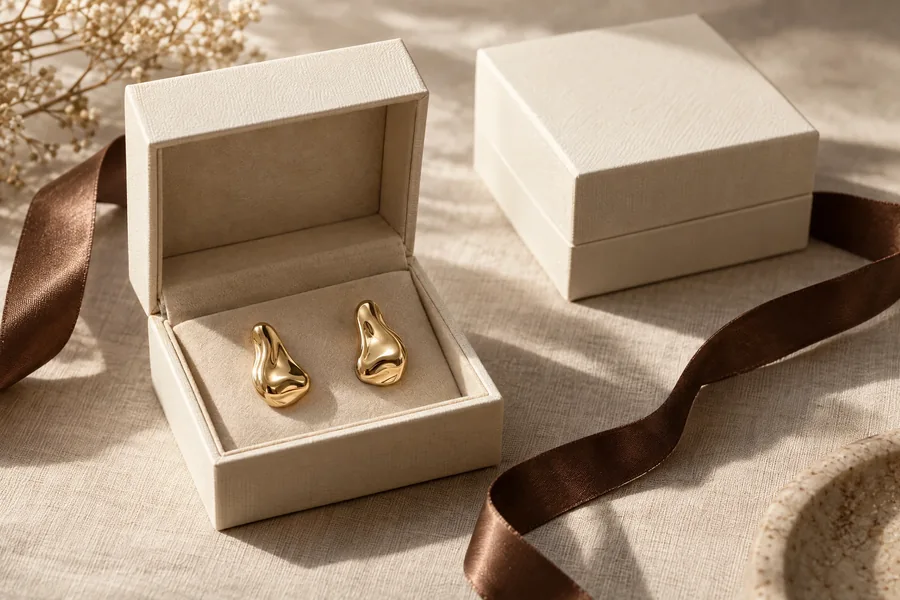
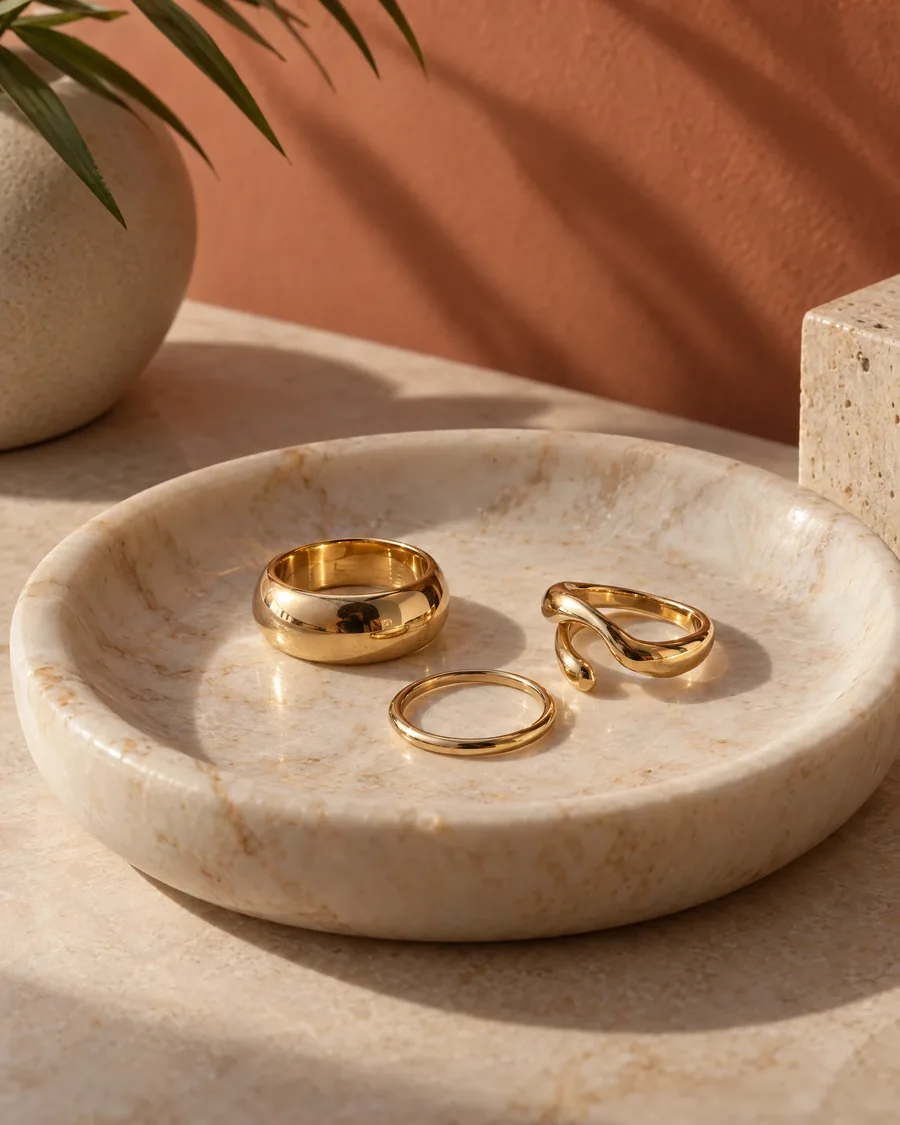
Consider whether you want the reminder to be visible to you or mainly to others. A ring sits within your own field of vision, while earrings are more noticeable in conversation or photographs. Browse ring design inspiration and earring concepts with that difference in mind. This makes self-gifting jewelry a choice about how you experience the piece, rather than simply which category looks most celebratory.
Imagine a practical example: you have finished an evening course while working full time. A dramatic piece might capture the excitement of the graduation dinner, but a restrained ring might accompany the workdays that follow. Neither choice is more meaningful by definition. Evaluate self-gifting jewelry against the moment you want to revisit: the celebration itself, the discipline behind it, or the confidence you hope to carry forward.
Finally, decide how much explanation you want the piece to invite. A distinctive shape may become a conversation starter; an understated design can keep the story private. Write your milestone sentence on a card or in a note, even if no inscription is possible. That small record gives self-gifting jewelry its context and helps you resist replacing your original intention with whichever design happens to attract attention next.
Set a Spending Boundary That Protects the Celebration
A meaningful purchase should not undermine the achievement it commemorates. Before browsing, set a total spending ceiling that leaves essential expenses and existing commitments untouched. Include any known additional costs, such as fitting, delivery, or maintenance, and ask about those that are unclear. With self-gifting jewelry, the comfortable amount is the one you can spend without needing the object to justify financial strain afterward.
Separate your nonnegotiable requirements from attractive extras. Your requirements might be a secure fastening, a manageable size, or written information about materials. Extras might include a particular decorative detail or presentation box. This distinction helps you assess self-gifting jewelry without treating every desirable feature as essential. If your budget cannot accommodate your requirements, waiting is a valid decision; there is no deadline for recognizing a milestone thoughtfully.
Use a cooling-off period suited to the size of the decision. For an unplanned purchase, save the design and return to it after you have worn your normal wardrobe for several days. Notice whether you still picture it naturally in your life. Self-gifting jewelry should survive a change of mood. If you want it only while imagining a special occasion that rarely happens, decide whether that limited role is genuinely worth the expense.
Compare candidates using the same questions rather than appearance alone. What are the stated materials? Are the dimensions clear? What sizing information and purchase terms are available? The FTC Jewelry Guides emphasize truthful representations of materials, treatments, price, and value. For self-gifting jewelry, request written details rather than inferring metal or gemstone identity from shine, color, or a photograph; a plated surface is not the same as solid metal throughout.
Explore our product collection for individual designs, photographs, and product details. When considering self-gifting jewelry, look at each piece in the context of your own preferences and practical needs. Use the product description to check relevant specifications rather than relying on appearance alone. For a more personal recommendation or a question about a particular piece, contact katherine jewelry with the details that matter to you.
Choose for the Days You Actually Live
Take a quick inventory of a typical week before deciding on a jewelry category. Note your work setting, exercise, household tasks, clothing, and the accessories you already reach for. Self-gifting jewelry becomes easier to choose when you know its likely wearing window. Someone who removes rings frequently may prefer earrings for regular wear, while someone who dislikes anything near the face may find a necklace more natural.
Try the shape in context, using an existing piece of similar proportions if possible. Check it with your usual neckline, sleeves, hairstyle, and glasses. A long pendant can behave differently when you sit at a desk than when you stand before a mirror. For self-gifting jewelry, test ordinary movements as well as the still image: turn your head, put on a jacket, and notice potential catching or interference.
If a ring is your leading choice, make fit a separate decision from design. Approximate guides can help you begin, but professional fitting and the seller's sizing tables should control a purchase. Finger size can vary, and a broader band may feel different from a narrow one. When planning self-gifting jewelry, ask about the specific design's sizing and adjustment possibilities instead of assuming that every ring can be resized.
Build around your existing habits rather than buying a whole new jewelry identity at once. If you wear small studs daily, a slightly more expressive pair may receive more use than an unfamiliar statement necklace. Alternatively, browse necklace design concepts if you want one piece to anchor simple clothing. The goal of self-gifting jewelry is not to make you more adventurous; it is to find the right amount of change for you.
For a clearer test, choose three outfits you already own: one for an ordinary day, one for a social occasion, and one for a quieter weekend. Picture your preferred design with each, noting where it feels effortless and where it needs accommodation. This exercise gives self-gifting jewelry a realistic role. A piece reserved for special evenings can still be an intentional choice, provided you welcome that role rather than expecting daily versatility.
Plan for Care, Then Give the Piece Its Place
Before committing, ask what care the complete piece requires, including its metal, coatings, stones, treatments, and settings. Appearance does not establish how safely it can be cleaned. Self-gifting jewelry should fit your willingness to look after it, not just your wardrobe. If a design requires precautions you are unlikely to follow, consider a different construction or a more occasional wearing schedule rather than hoping those precautions will not matter.
The GIA jewelry care guidance explains that cosmetics and household chemicals can harm jewelry, while light, heat, and sudden temperature changes can affect some gemstones and organic materials. Remove pieces before swimming or household cleaning. For self-gifting jewelry, build removal into an existing routine: keep a suitable storage spot where you change clothes, instead of relying on memory at the edge of a sink.
Storage deserves the same attention as cleaning. Keep pieces separately padded to reduce scratching, and use separate cushioned compartments during travel. Sterling silver benefits from anti-tarnish storage, while pearls and opals should not be kept in excessively dry conditions. These are general material considerations, not descriptions of katherine jewelry merchandise. Match storage for self-gifting jewelry to its confirmed construction, and consult a qualified jeweler if the materials or appropriate conditions are uncertain.
Avoid treating an ultrasonic cleaner as a universal shortcut. GIA notes risks for pearls, organic materials, surface-filled stones, and numerous temperature-sensitive gems; vibration can also loosen settings. A jeweler should assess suitability. If construction is unknown, do not improvise with aggressive cleaning recipes. A sustainable self-gifting jewelry routine may be as simple as careful storage, appropriate removal, and obtaining specific cleaning instructions before attempting care at home.
Once you have chosen, give the piece a modest beginning: wear it on an ordinary day, photograph it with your milestone note, or put it on before a meaningful appointment. You do not need an elaborate ceremony or an audience. Let self-gifting jewelry mark what happened without asking it to transform everything that comes next. The lasting value of an intentional choice is that its meaning, cost, fit, and care all make sense within your own life.