Editorial guidance only. Product characteristics, care needs, and commercial terms should be confirmed in writing for any specific item.
The most memorable jewelry gifts usually begin with a small observation: the earrings someone wears every morning, a necklace they inherited, or the bracelet they remove before work. Choosing well is less about finding a universally impressive piece than recognizing what feels natural to that person. If you are wondering how to choose meaningful jewelry gifts for someone special, start with their everyday life, then consider the occasion, practical fit, and story you want to share. This guide offers a way to make those decisions thoughtfully, without assuming that a higher price, a larger stone, or a dramatic surprise automatically makes a better gift.
Read Their Everyday Style Before Choosing a Design
Begin with what the recipient actually wears, rather than what you would like them to wear. Over a few ordinary encounters, notice three things: the color of their metal accessories, the scale of their favorite pieces, and whether they repeat one item or change combinations frequently. For jewelry gifts, this modest evidence is more useful than a broad label such as fashionable, classic, or creative. Someone can enjoy bold clothing while preferring very quiet accessories.
Explore our product collection for individual designs, photographs, and product details. When considering jewelry gifts, look at each piece in the context of your own preferences and practical needs. Use the product description to check relevant specifications rather than relying on appearance alone. For a more personal recommendation or a question about a particular piece, contact katherine jewelry with the details that matter to you.
Next, consider their daily setting. Long, swinging earrings may be inconvenient for someone who regularly wears a headset, while a raised ring setting might catch on gloves or clothing. A bracelet can compete with a watch or interfere with hands-on tasks. Thoughtful jewelry gifts account for these small frictions. Ask yourself when the recipient would realistically wear the piece: during work, on weekends, at celebrations, or only for occasional evenings out.
If you need information, ask a narrow question that sounds like ordinary conversation: do they prefer necklaces close to the collarbone or longer ones? Are their favorite earrings lightweight? A trusted friend can offer clues, but should not guess at private preferences or measurements. When discussing jewelry gifts with someone who enjoys choosing their own accessories, a shared browsing session may be more considerate than preserving a surprise they never requested.
Finally, distinguish a genuine preference from a temporary absence. Not wearing rings might reflect comfort, work requirements, or simple disinterest; it does not automatically signal an empty category to fill. Before selecting jewelry gifts, write a one-sentence brief: small earrings for everyday wear, a necklace for dressy occasions, or a bracelet to complement an existing watch. If you cannot explain why the design suits the person, gather another clue before committing.
Give the Occasion Meaning Without Imposing a Message
Personal meaning does not require a literal symbol or a customized inscription. Sometimes the shape, color, or timing provides the connection: an ocean-colored accent recalling a shared holiday, a rounded design echoing a favorite object, or a simple piece marking a new beginning. Meaningful jewelry gifts work best when the connection belongs to both of you. Avoid assigning a grand story that the recipient may not recognize or feel comfortable carrying.
Match the emotional weight of the gift to the relationship and occasion. For a close friend's graduation, the message might celebrate persistence rather than suggest a lifelong obligation. For an anniversary, a familiar design can acknowledge the life you already share. Early in a relationship, jewelry gifts can be warm without being ceremonious; a ring, however, may carry implications that a bracelet or earrings would not. Consider the likely interpretation before choosing the category.
A useful rule is to select one primary meaning and let the design remain wearable. Suppose your sister has completed a demanding course and loves clean lines. A restrained geometric pendant could mark the achievement without incorporating several symbols, initials, and dates. Explore necklace design inspiration to compare proportions and shapes. With jewelry gifts, one clear association often feels more personal than a collection of decorative references that competes with her existing style.
If you are considering engraving through a seller that offers it, confirm the service and terms before planning around it. Check the exact spelling, punctuation, placement, and whether personalization affects returns or exchanges. Some recipients prefer an intimate message in a card rather than permanently on an object. For jewelry gifts intended to become everyday favorites, a discreet reference may suit them better than a visible declaration, especially when the occasion is private.
Write the note before you make the final choice. Two or three sentences can reveal whether the connection feels honest: I noticed how often you wear simple shapes, and this reminded me of the windows in the place we visited together. There is no need to describe an object as timeless or priceless. The strongest jewelry gifts combine a recognizable preference with a sincere reason, leaving the recipient free to create their own memories around it.
Check Fit, Materials, and Purchase Terms Before Committing
Once you have a design direction, separate appearance from material identity. A gold-colored surface does not tell you whether a piece is solid metal, plated, or made with another construction. Likewise, a clear stone cannot be identified reliably from a photograph. Before purchasing jewelry gifts from any seller, request written details about the metal, coatings, stones, and disclosed treatments. A beautiful image is a starting point for questions, not evidence of composition or durability.
The FTC Jewelry Guides provide a useful framework for truthful descriptions of jewelry materials and other product claims. In general, sterling silver is an alloy normally described as 92.5% silver, while plating is a surface layer rather than the same metal throughout. Lab-created and imitation stones are not interchangeable descriptions. These distinctions matter when comparing jewelry gifts, but they do not establish what any particular brand sells; obtain the specific item's documentation.
Fit deserves the same attention as style. Ring-fit guides are approximate, so use the seller's sizing table and, where possible, professional fitting rather than guessing from a photograph. Necklace length changes how a pendant sits against a neckline, and bracelet fit depends on wrist measurement as well as preferred movement. When choosing jewelry gifts as a surprise, a category with fewer sizing uncertainties may be sensible, but do not assume that every necklace or bracelet fits everyone.
Set a comfortable total budget before browsing, including any confirmed delivery, personalization, or adjustment costs. Then check the seller's actual return and exchange policy, condition requirements, exclusions, and deadlines in writing. Do not assume that an unwanted size can be exchanged or an engraved piece returned. Practical jewelry gifts should leave room for the recipient's preferences. A clear gift receipt, where offered, can make an adjustment feel routine rather than like a rejection of your thoughtfulness.
For an inquiry through this website, use the contact page to ask what information can be confirmed about the design that interests you. The collection pages present concepts, not verified merchandise specifications or live inventory. Treat jewelry gifts as a sequence of decisions: design first, then confirmed materials and dimensions, then applicable terms. If important details remain unanswered, pause rather than filling the gaps with assumptions based on color, styling, or the occasion's deadline.
Present the Gift Thoughtfully and Make Ownership Easy
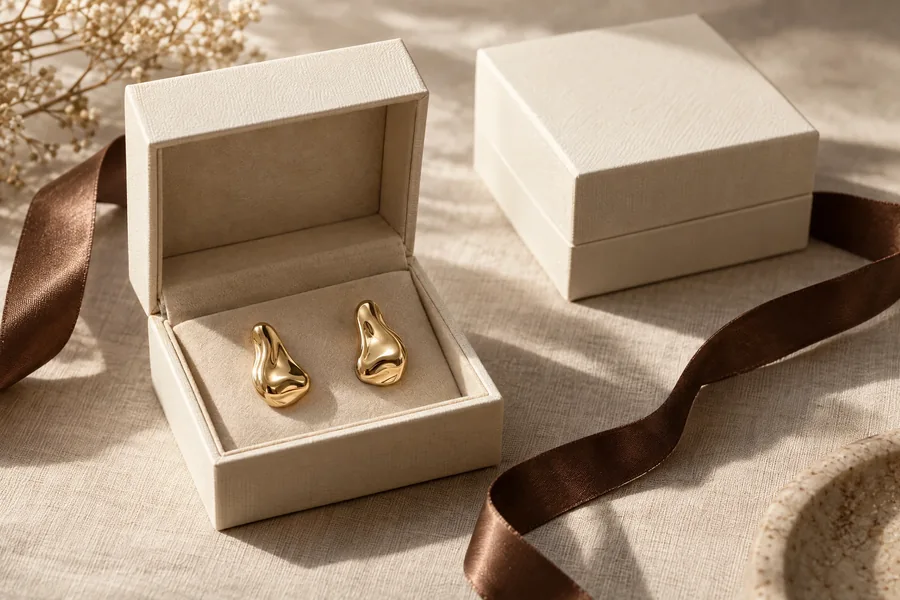
The handover can be personal without becoming a performance. Choose a moment when the recipient has time to open the gift comfortably, and consider whether they enjoy public attention. Someone celebrating a private milestone may prefer a quiet conversation to an announcement at dinner. Presenting jewelry gifts thoughtfully means respecting that difference. A simple box and a specific handwritten note usually communicate more than elaborate packaging that makes the recipient feel obliged to react dramatically.
Include useful information discreetly: a description of the materials as confirmed by the seller, relevant sizing details, and any actual exchange instructions. If the gift needs special care, explain that briefly rather than handing over a generic cleaning recipe. Well-prepared jewelry gifts do not create a research project for the recipient. Keep receipts and documentation accessible, and say plainly that you are happy to help if they would prefer another fit or design.
Care should follow the complete construction, not just the most visible stone. The GIA jewelry care guidance explains that chemicals, heat, light, and sudden temperature changes can damage certain materials. Remove jewelry before swimming or household cleaning, and seek advice suited to the piece. For jewelry gifts with uncertain materials or treatments, a qualified jeweler should assess cleaning needs; ultrasonic equipment is not universally safe and its vibration can loosen settings.
A small storage provision can be a considerate addition, particularly for someone who travels. Separate padded compartments help prevent pieces from scratching one another. Sterling silver benefits from anti-tarnish storage, while pearls and opals should not be kept in excessively dry conditions. These are general care considerations, not claims about any illustrated design. When giving jewelry gifts, avoid pairing an unknown piece with a cleaning liquid unless its suitability has been confirmed for all components.
Afterward, allow the recipient to wear the piece in their own way and on their own schedule. They may save it for particular occasions, combine it with something unexpected, or ask for a change. None of those responses diminishes the care behind your choice. The best jewelry gifts balance observation, meaningful intent, and practical freedom. Choose something that fits their life, verify what you can, and let your note explain the personal connection without dictating what the gift must become.