Editorial guidance only. Product characteristics, care needs, and commercial terms should be confirmed in writing for any specific item.
Good earring styling begins with the ear you have, not a picture-perfect stack. With multiple healed piercings, a few deliberate choices can create a layered look without making the arrangement feel crowded or uncomfortable. Think about scale, spacing, daily habits, and which pieces you actually enjoy wearing; then let those guide the combination. These earring styling ideas for multiple healed piercings offer a practical way to plan an ear stack, whether you prefer subtle repetition or a more noticeable mix. The goal is not to fill every hole, but to make the whole arrangement feel considered and easy to live with.
Map the ear before choosing earrings
Start with a simple inventory: note how many healed piercings you want to style on each ear, where they sit, and which ones you wear most often. A mirror and a quick phone photo can help you see the overall pattern more clearly than looking at one piercing at a time. In earring styling, this first look is useful because the ear’s natural shape, spacing, and lobe size all affect how a combination reads. You do not need to use every available piercing; leaving a gap can make the pieces you do choose more noticeable.
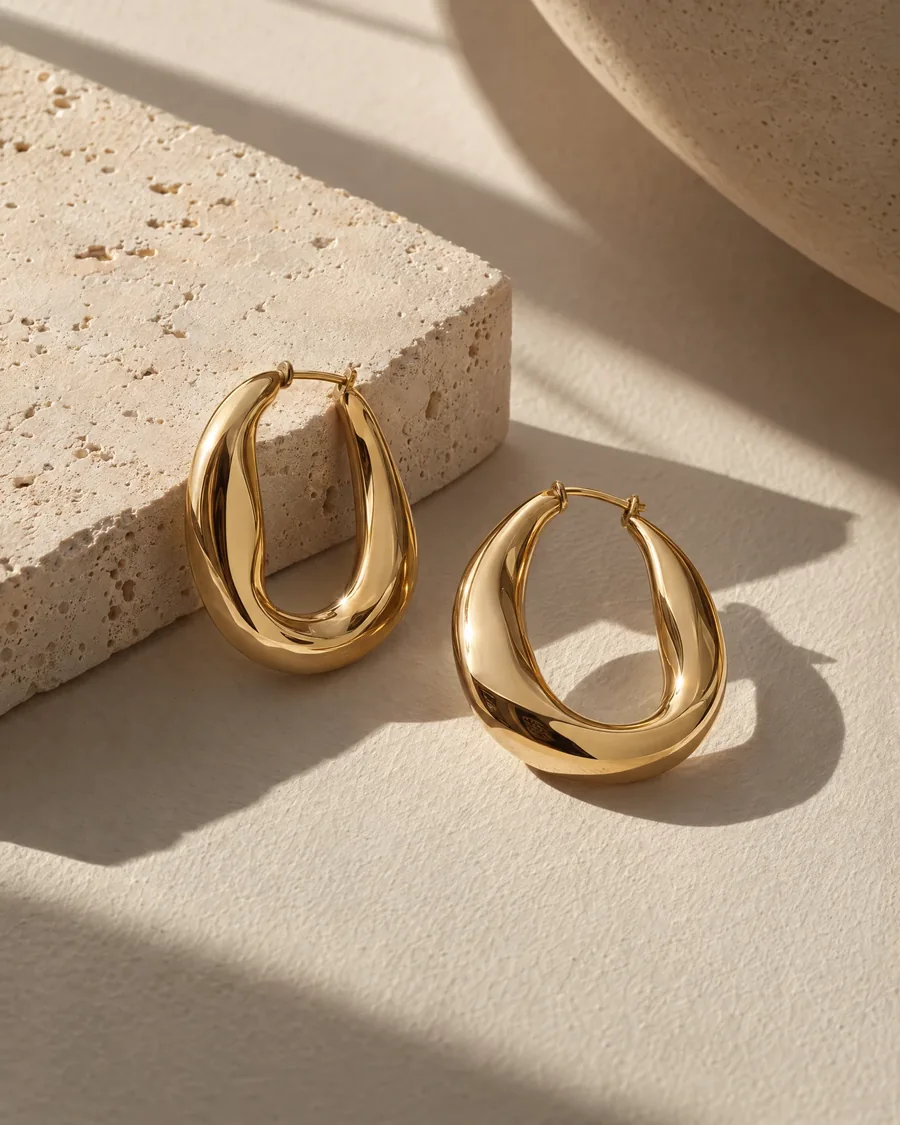
Next, choose an anchor. This might be the largest earring in the arrangement, a favorite pair in the first lobe, or a shape you want to repeat. Build outward from it rather than selecting several statement pieces at once. For example, if your first lobe holds a broad hoop, a smaller, simpler shape in the second lobe can create a clear progression. This kind of earring styling gives the eye a place to begin and helps avoid a stack that feels visually heavy at the bottom.
Think in terms of a visual path. You might use a pair of similar shapes in the lower lobes, then change scale or silhouette higher up. Alternatively, keep the shape consistent and vary size. A small stud followed by a slightly larger one can feel orderly; contrasting shapes can feel more expressive when they share a color or finish. For earring styling ideas, sketching the arrangement or placing pieces beside the ear in a photo can reveal awkward spacing before you put everything on.
Symmetry is an option, not a rule. Matching both ears can feel polished, while repeating one detail across otherwise different arrangements can make an intentional mismatch. If you are exploring the visual language of different shapes, the earring collection concepts can serve as inspiration rather than a prescription for what your own stack should contain. A useful decision rule: if one earring attracts attention for a reason you like, keep it; if the arrangement feels busy, remove one piece and reassess. Earring styling works best when every item has room to register.
Balance shape, scale, and visual weight
Once you have an anchor, compare the silhouettes and sizes of the other earrings. A curated ear usually feels more cohesive when there is a relationship among the pieces, even if they are not identical. That relationship might be a repeated curve, a shared geometric outline, or a consistent level of visual detail. In earring styling, contrast is most effective when something connects the elements. A smooth hoop and a textured stud, for instance, can sit together more easily when they share a similar scale or visual tone.
Consider where visual weight falls. Larger or more detailed earrings draw attention, so placing several of them close together can make one area feel dense. Try moving the strongest shape to the first lobe and using smaller pieces above it, or reverse that arrangement if a delicate lower lobe is your preference. Earring styling does not have to follow a fixed top-to-bottom size rule; the practical question is whether the ear looks balanced from the front and at a slight angle. A quick photo can help you judge that without overthinking each piece.
Color can provide another point of connection. You could repeat one accent color across two piercings, keep the earrings within a restrained palette, or let a single colored element stand apart. If you mix metals or finishes, repeat each one somewhere in the arrangement when possible. That repetition can make variety feel deliberate. These earring styling choices are personal design decisions, not rules about what materials are best; appearance alone does not identify a metal or gemstone. When material information matters to a purchase, consult the seller’s written details rather than guessing from a photo.
For a coordinated look beyond the ear, take one visual cue into another accessory rather than matching everything exactly. A simple necklace can echo a curve or color, while a sculptural silhouette elsewhere can carry the same expressive mood. Browse necklace design ideas or sculptural style concepts as prompts for that broader balance. To keep earring styling focused, let one area lead: if the ears are the statement, choose quieter companions; if your outfit already has bold detail near the face, simplify the earrings.
Make comfort part of the composition
A stack can look appealing in a still image and become distracting during a normal day. Before settling on earring styling for work, travel, or a long event, notice whether pieces touch one another, catch on hair, or press against the ear when you turn your head. A larger hoop may overlap a neighboring stud; a dangling shape may brush your neck or scarf. Try the arrangement at home for a short period and move naturally—put on a jacket, tuck your hair behind your ear, and use headphones if you wear them regularly.
Weight and movement matter as much as appearance. If a particular piercing feels tugged or sore, take that earring out and choose a lighter or less mobile option for that position. A comfortable curated ear does not require every piercing to carry jewelry all day. You can keep a favorite piece in one spot and leave another empty, or reserve more noticeable earrings for occasions when you will not be wearing a headset or snug hat. In practical earring styling, comfort is not a final test after the look is complete; it is part of the design brief.
Keep the distinction between healed and healing piercings clear. This guide is for styling healed piercings, not for advising on new-piercing jewelry or aftercare. If a piercing is irritated, painful, swollen, or otherwise concerning, remove styling experimentation from the equation and seek appropriate professional guidance. Do not force an earring through a resistant piercing, and do not use a styling plan as a reason to tolerate discomfort. Those simple limits make it easier to enjoy earring styling without treating appearance as more important than how your ear feels.
Build a small set of combinations around your routine. For example, keep a low-profile arrangement for busy weekdays, then switch one or two pieces for an evening out. If you work with a uniform or frequently wear protective equipment, check any relevant workplace guidance before wearing earrings that could catch. When browsing style inspiration from katherine jewelry, remember that editorial imagery is a starting point for ideas, not a guarantee that a depicted combination suits your piercings or daily needs. Your own comfort check should make the final call.
Create a repeatable rotation, not a rigid formula
A flexible rotation makes earring styling easier than trying to invent a new combination every morning. Choose a few reliable building blocks: perhaps one everyday anchor, a couple of smaller supporting pieces, and one more distinctive option for a change of mood. Store them where you can see the shapes together, and take a moment to pair them before putting them on. This small habit makes it easier to spot combinations that repeat a silhouette or palette without relying on a strict matching set.
Plan around the day ahead. For a commute, a low-profile stack may be less likely to catch on a coat or bag strap. For a dinner or celebration, you may want one bolder focal piece, balanced by quieter earrings nearby. If you wear glasses, notice whether a larger upper-ear piece competes with the frame or catches when you put it on. Earring styling is most useful when it responds to real circumstances rather than treating every day as a styling exercise. Keep a dependable option for days when you want to get dressed quickly.
Care and storage help preserve the pieces you choose to rotate. Keep earrings separated or in individual cushioned compartments so they are less likely to scratch or tangle, especially when travelling. If you are uncertain about a piece’s materials or construction, ask a qualified jeweler how it should be cleaned; avoid assuming that every stone or setting can tolerate the same method. For general jewelry-care guidance, the Gemological Institute of America’s care advice explains why cleaning methods should suit the materials and construction. Care is not just maintenance: organized storage also makes your earring styling options easier to compare.
Finally, review your combinations occasionally. If one earring stays unworn, ask whether it feels uncomfortable, is difficult to pair, or simply no longer suits your taste. You might move it to another piercing, wear it alone, or set it aside. For questions about the website or its editorial concepts, you can use the contact page; for a little more context about the brand, visit about katherine jewelry. The most satisfying earring styling is personal and adaptable: choose a clear focal point, leave breathing room, and keep comfort in the plan. A curated ear can be finished, changed, or pared back whenever you like.