Editorial guidance only. Product characteristics, care needs, and commercial terms should be confirmed in writing for any specific item.
The best graduation jewelry recognizes both the work already done and the life still taking shape. It need not represent a future career, match academic colors, or look especially formal to feel significant. A familiar shape, a comfortable fit, or a thoughtful note can make a gift meaningful without imposing expectations. When choosing graduation jewelry gifts for a new chapter in life, start with the person rather than the occasion: what they wear, where they are headed, and what they would enjoy keeping close. This guide turns those observations into practical decisions about style, materials, presentation, and everyday use.
Begin with the Graduate’s Life, Not a Symbol
Before choosing graduation jewelry, notice three things: what the recipient already wears, which pieces they leave untouched, and how they spend an ordinary day. Someone who wears small earrings throughout a busy week may appreciate a similar scale more than a dramatic statement piece. A graduate who rarely wears jewelry may prefer one uncomplicated design rather than a coordinated set that asks them to develop an entirely new habit.
Consider the next six months without assuming that graduation means an office job. The recipient might begin further study, travel, work with their hands, or move into shared accommodation. Useful graduation jewelry fits that transition. For someone whose workplace limits accessories, a piece worn outside working hours may be more appropriate than an everyday bracelet. Ask about those restrictions discreetly instead of guessing what a profession allows.
Personal meaning works best when it leaves room for the graduate’s interpretation. A circular form might suggest continuity to you, while they simply enjoy its clean outline. Neither response is wrong. Choose graduation jewelry with a design they would like even without its symbolism, then explain your own association in a note. Avoid messages that turn the gift into an instruction to achieve more or follow a particular path.
If you are unsure about style, use a small comparison rather than a broad question such as “What jewelry do you like?” Show two contrasting design directions: restrained or sculptural, shorter or longer, polished or textured. The necklace design concepts and earring design concepts at katherine jewelry can support that conversation; they are editorial inspiration, not verified available merchandise. This makes graduation jewelry selection collaborative without requiring the recipient to plan the entire gift.
A useful final test is whether you can describe why this choice suits this person in one sentence. “You always reach for simple earrings, and these express that preference” is stronger than “Everyone gets a necklace for graduation.” If your explanation relies mostly on tradition or your own taste, reconsider. The strongest graduation jewelry honors a recognizable part of the recipient while allowing their style to evolve after school.
Match the Design to Fit, Comfort, and Routine
Once you understand their taste, narrow graduation jewelry by wearability. Earrings, necklaces, bracelets, and rings create different practical questions, so none is automatically the safest gift. Earrings require knowing whether the recipient has suitable piercings and likes that fastening style. Necklaces need a comfortable length; bracelets must accommodate movement; rings require accurate sizing. If you cannot confirm the essential detail, choose a different category rather than hoping it will work.
For a necklace, consider the necklines the graduate actually wears and whether they already layer pieces. A pendant that looks balanced over a plain shirt may sit awkwardly with a favorite collar. Ask them to measure a comfortable existing necklace, including its clasp, and compare that measurement with the seller’s stated dimensions. Graduation jewelry should fit their clothes and habits, not merely look attractive in an isolated image on a screen.
A bracelet needs enough room for comfortable movement without constantly catching or sliding into the hand. Think about laptop work, carrying bags, and frequent changes between activities. If the recipient already removes bracelets to type, another wrist piece may not become an everyday favorite. Browse bracelet design inspiration to discuss shapes and proportions, but confirm actual dimensions and fastening details separately before committing to graduation jewelry with an unfamiliar construction.
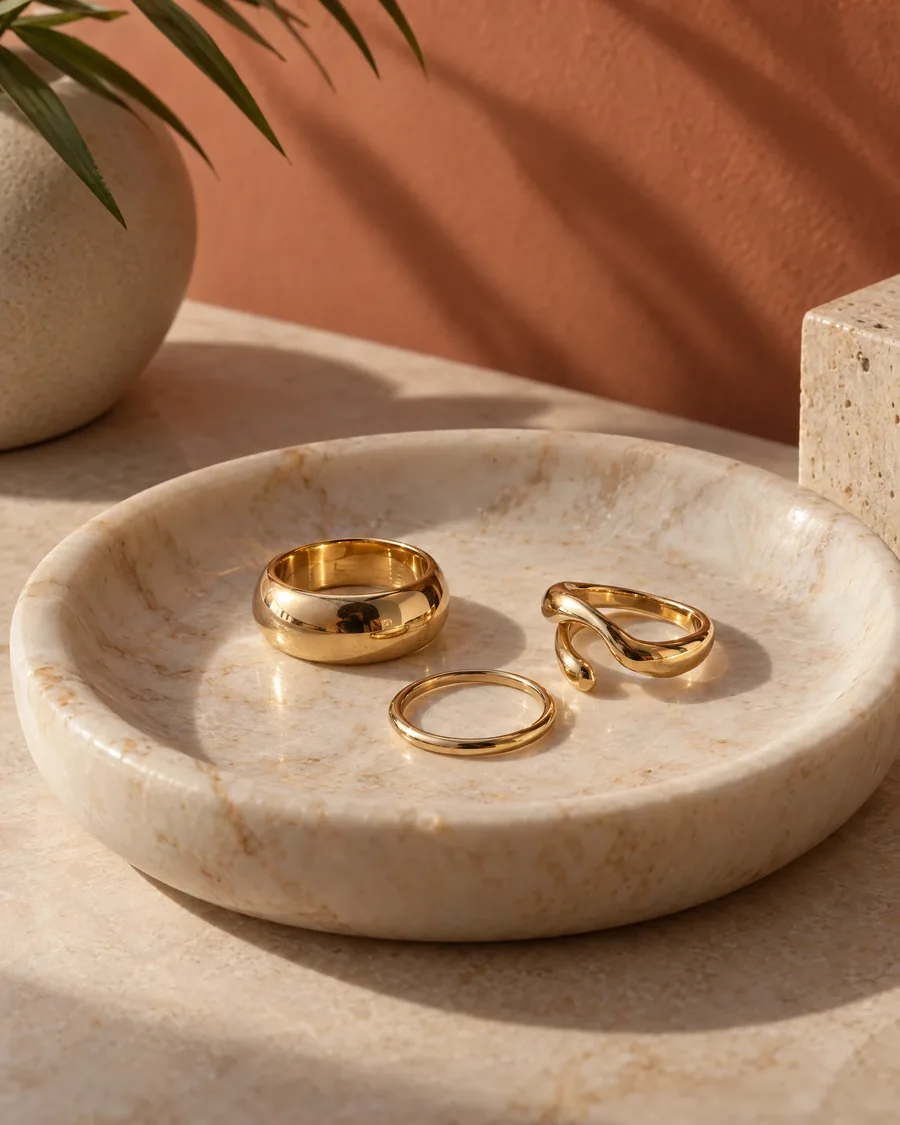
A ring can be deeply personal, but guessing size creates avoidable uncertainty. Borrowing a ring only helps if it fits the intended finger, and home sizing methods are approximate. Professional fitting and the seller’s sizing table should guide a purchase. If considering ring design concepts, discuss whether the recipient likes noticeable height or a lower profile. The right graduation jewelry should feel comfortable during their usual movements, not just during a brief try-on.
Imagine two settings before deciding: the ceremony and an ordinary afternoon a month later. A dramatic piece may be perfect if the recipient enjoys dressing up, but it need not double as daily wear. Conversely, a subtle piece can be meaningful even if it barely appears in photographs. Choose graduation jewelry for its intended role, and coordinate with other gift-givers when possible so several presents do not all fill the same narrow function.
Clarify Materials and Set a Sensible Gift Budget
Appearance alone cannot tell you what graduation jewelry is made from. A silver-colored surface does not establish sterling silver, and a golden color does not establish solid gold. Before purchasing from any seller, request written information about metal content, coatings, gemstone identity, and relevant treatments. The FTC Jewelry Guides explain why truthful material descriptions matter. Clear documentation is more useful than reassuring but undefined words such as “premium” or “luxury.”
Read descriptions as separate facts rather than one overall impression. Sterling silver is normally described as an alloy containing 92.5% silver; plating describes a surface layer and is not the same as that metal throughout. Gemstone terms also matter: lab-created and imitation are not interchangeable descriptions. These are general buying principles, not specifications for katherine jewelry. For graduation jewelry, ask the seller to explain any terminology you cannot confidently interpret before paying.
Set a total spending limit before comparing designs, leaving room for any separately confirmed fitting, delivery, or presentation costs. A gift does not need to stretch your finances to acknowledge a substantial achievement. If several relatives are contributing to graduation jewelry, agree on one coordinator, a maximum total, and how the recipient’s preferences will be gathered. Shared funding should simplify the choice rather than produce a committee-designed piece that suits nobody especially well.
Practical questions deserve as much attention as the design. Ask the actual seller about sizing, alterations, returns, and the information supplied with the piece; do not assume any service or policy exists. If the ceremony is approaching, confirm delivery arrangements directly rather than relying on a general expectation. For questions about graduation jewelry concepts shown on this site, use the inquiry page; images do not establish materials, availability, or purchase terms.
Preserve the written material details, receipt, and any applicable care guidance for the graduate, while keeping financial information discreet if you prefer. A separate envelope can hold useful documents without making the gift presentation feel transactional. When choosing graduation jewelry gifts for a new chapter in life, this quiet administrative work matters: it helps the recipient understand what they own, ask informed questions later, and avoid treating a delicate construction as though it were uniformly robust.
Give the Piece a Thoughtful Beginning
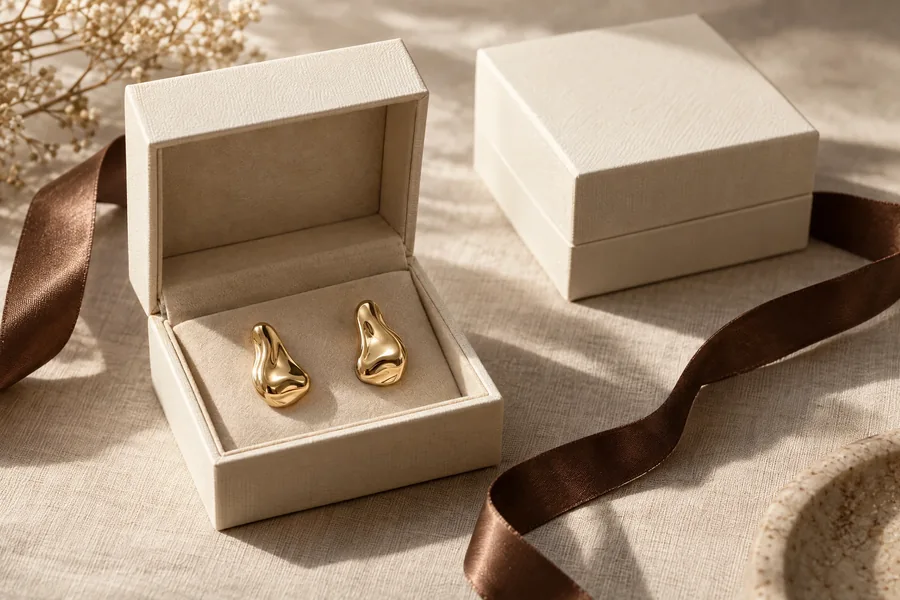
Present graduation jewelry at a moment when the recipient can actually enjoy it. A crowded ceremony exit may be ideal for flowers but less suitable for opening a small box or trying a clasp. A quiet breakfast, family meal, or conversation afterward can make space for the gift. If they want to wear it during the ceremony, offer it beforehand with enough time to try it comfortably and change their mind.
Keep the accompanying message specific and free of pressure. Mention something you witnessed: the persistence behind a difficult project, the care they showed classmates, or the way they found their own direction. Then connect graduation jewelry to your support, not a prediction about their success. A few honest sentences usually carry more weight than a grand declaration. If the gift comes from several people, include their names without crowding the note with competing advice.
Include care guidance appropriate to the confirmed materials and complete construction. According to GIA’s jewelry care guidance, cosmetics and household chemicals can harm some metals and gems, and jewelry should be removed before swimming or household cleaning. Do not prescribe a universal cleaning recipe for graduation jewelry. Treatments, settings, coatings, and stones can change what is safe; when details are uncertain, a qualified jeweler should assess suitable cleaning methods.
A graduate moving or traveling will benefit from a simple storage plan. Keep items separately padded to reduce scratching, and use separate cushioned compartments during travel rather than dropping several pieces into one pouch. Sterling silver benefits from anti-tarnish storage, while pearls and opals should not be kept in excessively dry environments. Ultrasonic cleaning is not universally safe. Any storage accessory accompanying graduation jewelry should suit the documented piece rather than follow a generic care slogan.
Finally, allow the gift to become theirs. They may wear it every day, save it for occasions, or pair it in ways you never imagined. None of those choices diminishes your intention. Meaningful graduation jewelry balances a personal connection with practical freedom: a style they recognize as their own, details they can trust, and a message that remains kind beyond the celebration. The point is not to dress them for a predetermined future, but to mark the beginning with care.