Editorial guidance only. Product characteristics, care needs, and commercial terms should be confirmed in writing for any specific item.
The best birthday jewelry does not have to announce its importance at first glance. It might quietly echo a favorite outfit, mark a shared memory, or become the piece someone reaches for every morning. Choosing well means noticing how the recipient actually lives and dresses, rather than assuming that a bigger statement makes a better present.
These ten approaches offer birthday jewelry gift ideas based on personal style, with room for both surprises and collaborative choices. At katherine jewelry, the collection imagery serves as design inspiration, not verified merchandise availability; use it to explore a direction, then confirm the details of any actual piece before deciding.
1–3: Read Their Style Before Choosing a Design
1. Start with the pieces they already repeat. Think about what the recipient wears on ordinary days, not only at celebrations. Do they favor small earrings, a single pendant, or several bracelets together? The strongest clue for birthday jewelry is repetition: a piece worn every week reveals more than an accessory saved in a drawer. Note its general scale, shape, and visual finish without trying to identify its material from appearance alone.
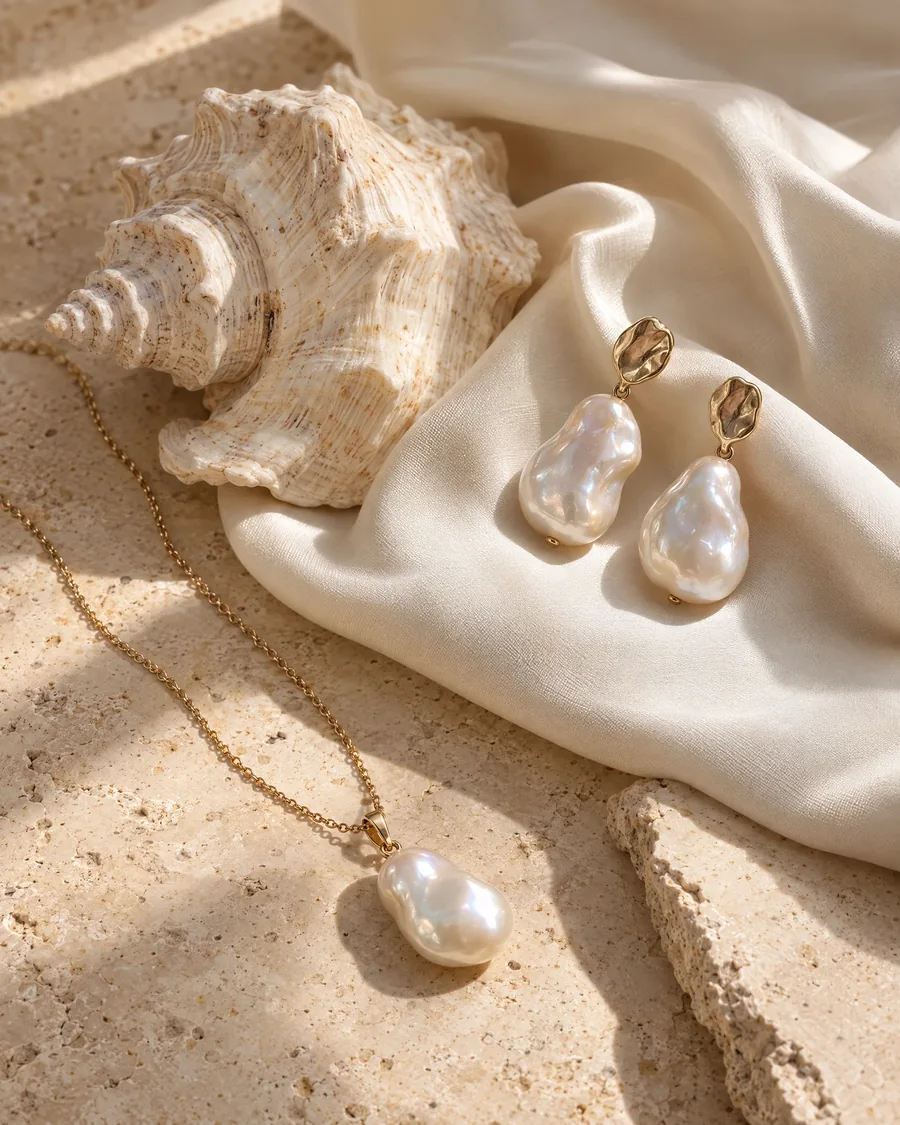
2. Match their appetite for detail. A person who prefers plain shirts and clean lines may enjoy a simple geometric accent, while someone drawn to patterned clothes might welcome texture or movement. Neither preference is a rule about personality. For birthday jewelry, compare two design directions and ask which one would look natural beside their existing accessories. Explore earring design concepts for differences in silhouette, remembering that the images are editorial concepts rather than stock listings.
3. Borrow a cue from their wardrobe. Look for recurring necklines, sleeve lengths, and color combinations. A pendant might suit someone who frequently wears open collars; an expressive earring shape may make more sense for someone whose high necklines leave little room for a necklace. Choosing birthday jewelry around a familiar outfit gives the gift an immediate role. Imagine three outfits they already own before settling on an accessory category, rather than picturing one idealized celebration look.
Consider the difference between admiration and use. Your friend may compliment oversized earrings on other people yet always choose compact shapes for herself. In that situation, birthday jewelry should follow her habits unless she has explicitly said she wants to experiment. A small departure can still feel exciting: a familiar silhouette with a new curve or texture is often easier to adopt than a completely unfamiliar category, particularly when you are keeping the gift a surprise.
Finally, make your observations specific enough to guide a decision. Instead of writing “elegant,” write “usually wears one understated accessory and avoids anything that moves.” That description helps you assess birthday jewelry without projecting your own taste. If you are uncertain, ask a light, open question while browsing together: “Which of these shapes would you actually wear?” The answer is more useful than asking which looks most impressive, and it does not require revealing the entire plan.
4–6: Give the Gift a Place in Their Daily Life
4. Choose for the day they actually have. Someone who types for hours, works with their hands, or follows workplace jewelry restrictions may need a different category from someone who dresses for frequent evening events. A thoughtful birthday jewelry choice respects those practical limits. Ask whether the intended piece is for regular wear or occasional dressing, then judge its shape and movement accordingly. Do not assume that a recipient wants to reorganize their routine around a gift.
5. Decide between a standalone piece and a companion. If they wear a favorite necklace daily, another necklace could compete with it rather than complement it. Earrings might be a better route, or a pendant with a distinctly different purpose. For birthday jewelry meant to join an existing arrangement, compare visual weight, length, and spacing. The necklace inspiration collection can help you discuss proportions, but confirm measurements for any actual item instead of judging scale from an image.
6. Make comfort part of the brief. Ask discreetly about pierced ears, preferred earring closures, and whether they enjoy fitted or loose bracelets. These are not minor technicalities; they determine whether birthday jewelry can be worn as intended. A person who dislikes swinging accessories may prefer a restrained outline even when they love bold design. If weight or fastening matters, request the relevant specifications rather than assuming that a delicate-looking piece will necessarily feel light or easy to use.
Consider a sister who wears a watch, carries a laptop, and rarely changes accessories during the day. Several bracelets might look appealing in a styled image yet feel inconvenient in her routine. Here, birthday jewelry could be better expressed through an earring or necklace concept, depending on her preferences. The point is not to ban any category, but to identify where an accessory would rub, catch, overlap, or demand adjustments before making the choice.
A useful decision rule is to name the gift's likely first outing. “She could wear this with her usual weekend shirt” is more convincing than “She might need something like this someday.” For birthday jewelry, a clear first use helps prevent an attractive but disconnected choice. If the intended role is a special dinner rather than everyday dressing, say so in the note. Occasional pieces can be thoughtful too, provided the occasion fits the recipient's life rather than an imagined version of it.
7–8: Add Meaning Without Making Assumptions
7. Connect the design to a real memory. A curve might recall a seaside walk; a botanical shape might echo a shared love of gardening. The connection need not be obvious to anyone else. Meaningful birthday jewelry works best when the story belongs to both giver and recipient, rather than relying on a generic claim that a particular motif expresses everyone's character. Keep the explanation brief and concrete: mention the place, moment, or habit that made you think of them.
8. Use color as a preference, not a prescription. A birth-month association can be a starting point, but it should not overrule a person's taste. If they consistently choose cool blues, that preference may matter more than a conventional birthday color. With birthday jewelry, ask whether the shade feels wearable alongside their clothes. Remember that gemstone color can appear different under changing light and on screens; request clear material information and additional viewing details where available.
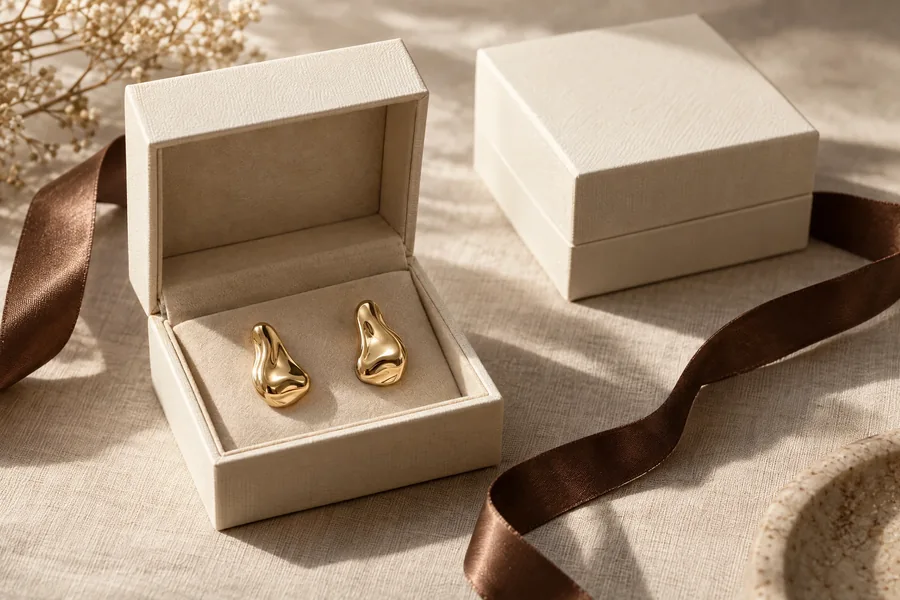
Personal symbolism does not require a literal symbol. Someone with a strong interest in architecture might appreciate an angular outline rather than a miniature building motif. The sculptural design concepts offer a way to compare expressive shapes without treating them as available products. When considering birthday jewelry, separate the story you want to tell from the object that carries it. A design can evoke a shared interest while still being easy to wear beyond the birthday itself.
Be especially careful when sentimental language meets material descriptions. A sparkling appearance does not establish gemstone identity, and a gold-colored surface does not tell you the underlying metal. Before choosing birthday jewelry, ask for written details about metal content, coatings, gemstone identity, and relevant treatments. The FTC Jewelry Guides explain why accurate descriptions matter. Lab-created and imitation are different terms; neither should be used as a substitute for a clear account of what an item actually contains.
The note can carry much of the emotional weight. Rather than saying the piece is perfect for them, explain the observation behind it: “This shape reminded me of the garden we always visit together.” That makes birthday jewelry personal without placing pressure on the recipient to wear it constantly. Avoid assigning healing powers or guaranteed emotional effects to a stone or motif. A gift can represent affection, encouragement, or a memory without promising to change someone's health or feelings.
9–10: Resolve Fit, Details, and the Final Presentation
9. Reduce uncertainty before committing. Rings require particular care because a guessed size can turn a lovely surprise into an awkward task. Approximate guides are only a starting point; professional fitting and the seller's sizing table should control the decision. For birthday jewelry, consider choosing together when fit is central. The surprise can be the invitation and the occasion, rather than the finished object. That approach also lets the recipient test proportions and express preferences you may not have noticed.
10. Set a budget around the whole choice. Decide what you are comfortable spending before comparing options, then request the actual price and any applicable terms in writing. Do not assume resizing, returns, delivery, or presentation packaging are included. If you are using katherine jewelry for birthday jewelry inspiration, the contact page is an appropriate place to ask questions; the editorial collections should not be read as a checkout catalog or a promise of specific services.
Care requirements belong in that final check, particularly if the recipient prefers low-maintenance belongings. Ask how the complete piece should be cleaned and stored, including any stones, coatings, and settings. For birthday jewelry, avoid presenting a universal cleaning recipe as part of the gift. The GIA jewelry care guidance explains that chemicals, heat, and some cleaning methods can harm particular materials. Ultrasonic cleaning is not universally suitable; consult a qualified jeweler when construction or treatment is uncertain.
Presentation should protect the object as well as make the moment feel considered. Keep pieces separately cushioned, especially when transporting more than one, and include any written material details and care instructions you receive. A simple note can explain why you chose the birthday jewelry and whether it is intended for daily outfits or a particular occasion. Avoid elaborate packaging that makes the recipient anxious about preserving it; the focus should remain on the gift and the relationship.
Before deciding, check four things: it reflects their taste, suits a real use, has confirmed material and fit details, and stays within your comfortable budget. If one answer is missing, pause rather than substituting enthusiasm for information. The most thoughtful birthday jewelry is not necessarily the most dramatic choice. It is the one selected with enough attention that the recipient recognizes something of themselves in it—and has the practical information needed to enjoy it on their own terms.