Editorial guidance only. Product characteristics, care needs, and commercial terms should be confirmed in writing for any specific item.
The best bridesmaid jewelry brings a wedding party together without making every person look interchangeable. One attendant might feel comfortable in tiny studs, another in a delicate drop, and another with a necklace rather than earrings. Those differences can belong in the same visual story. If you are gathering bridesmaid jewelry ideas for a cohesive wedding party, begin with a few shared design cues rather than a shopping list of identical pieces. A consistent color direction, similar scale and clear understanding of the dresses will do more for harmony than insisting that everyone wear exactly the same accessories.
Set a Shared Style Language, Not a Uniform
Start by choosing two features that will remain consistent across the group. These might be a warm metallic appearance and rounded shapes, or pale pearl accents and delicate proportions. Keeping the brief narrow makes bridesmaid jewelry easier to coordinate without controlling every detail. Avoid asking accessories to match the dress color, bouquet, shoes and venue simultaneously; that creates an unnecessarily complicated puzzle. Decide which two cues matter most, then let the others vary.
Imagine four attendants wearing dresses in different muted greens. One chooses small rounded studs, one a short drop, one a simple pendant, and one a slim bracelet. Their bridesmaid jewelry can feel related because each piece repeats a soft curve and the same metal-color direction. Actual material identity cannot be established by appearance, however. Treat words such as gold-toned as visual descriptions, and ask a seller for written specifications rather than assuming the underlying metal.
Use a three-part brief when explaining the plan: the shared feature, the permitted choices and the boundary. For example: pale accents; studs, short drops or one pendant; nothing that extends below the collarbone. That makes bridesmaid jewelry decisions understandable even for someone who rarely wears accessories. You can share a small reference board, but label images as inspiration rather than requirements. The goal is a readable direction, not an exact imitation of a photograph.
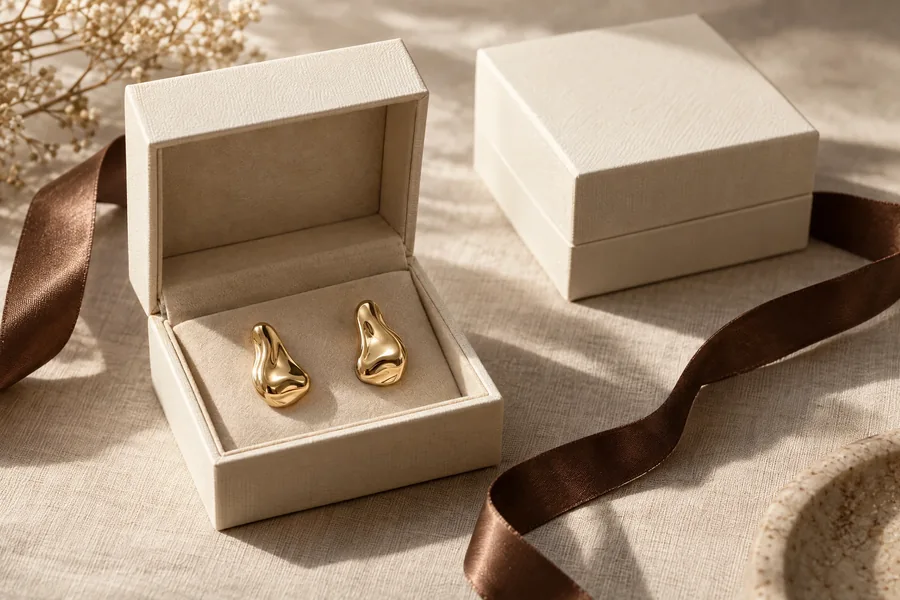
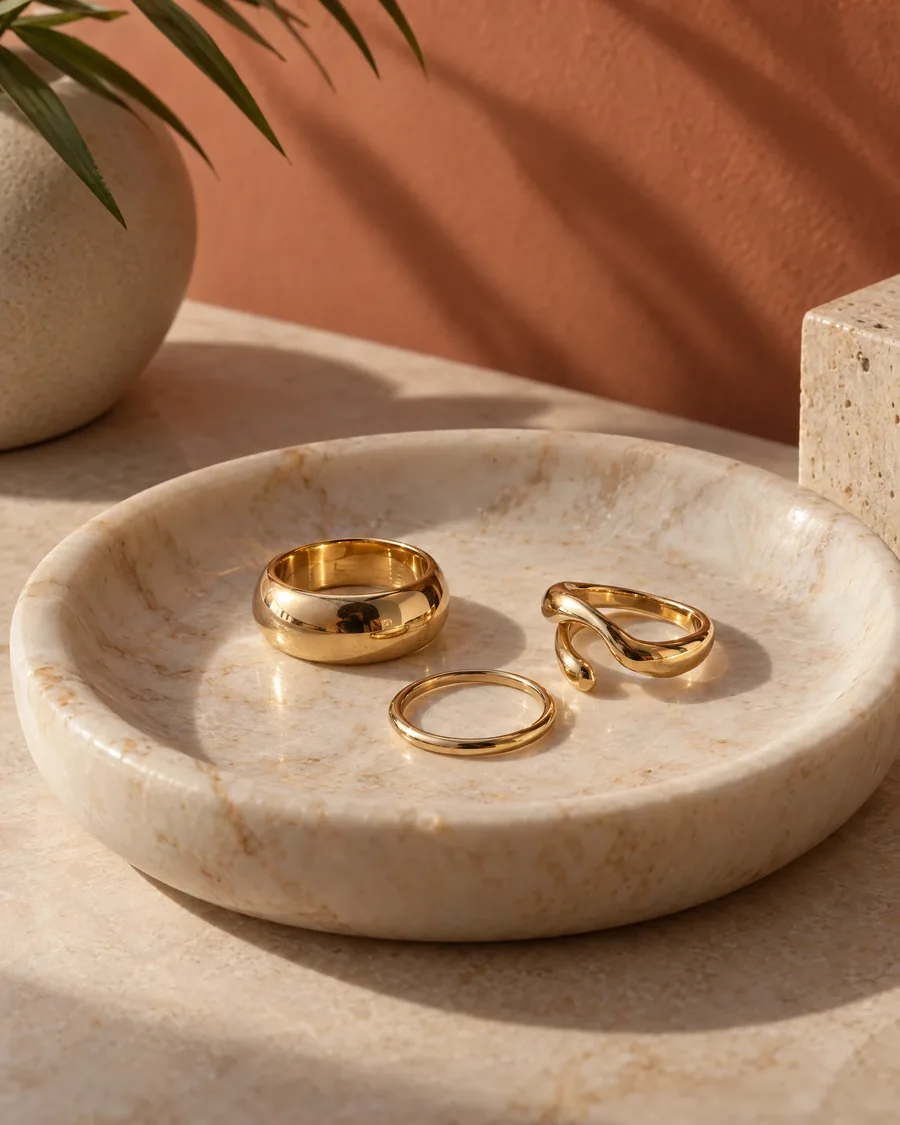
Choose one focal area for the group before choosing individual pieces. Earrings often work when dresses have varied necklines, while a repeated bracelet detail may suit attendants who prefer different ear accessories. Explore the earring design concepts and bracelet inspiration at katherine jewelry as visual starting points, not evidence of available merchandise. Your bridesmaid jewelry brief can borrow a shape or proportion without requiring everyone to acquire a particular illustrated item.
Finally, test the brief against an outlier. Would it still accommodate the attendant with no pierced ears, the person wearing glasses, or someone who prefers their everyday necklace? If not, loosen one rule. Cohesive bridesmaid jewelry should have a family resemblance, not an entry requirement. Allowing an existing piece that fits the palette, or an alternative accessory in the same visual language, often produces a more convincing result than enforcing perfect duplication.
Fit the Accessories to Necklines, Hair and Movement
Lay out the dresses before assigning accessories, ideally with photographs taken in similar light. A high neckline, a deep V and a one-shoulder dress create different spaces around the face and chest. Rather than giving every attendant a necklace, let bridesmaid jewelry follow those spaces. A pendant can echo an open V, while earrings alone may give an embellished or asymmetrical neckline breathing room. These are starting points to test, not rules about what anyone should wear.
For a mixed-neckline party, keep the accessory scale comparable even when the category changes. Someone in a high-neck dress could wear compact drops, while someone in a scoop neckline wears small studs and a modest pendant. The bridesmaid jewelry still looks balanced if neither combination dominates. Browse necklace design inspiration to compare pendant placement, then use the actual dress to judge where a piece sits. A catalog photograph cannot show how it will meet every neckline.
Hair changes the effect as much as clothing does. An updo exposes the whole earring; loose curls may hide a stud or catch around a projecting setting. Ask attendants to try their likely hairstyle with their proposed bridesmaid jewelry, then turn their heads and tuck their hair behind an ear. If an accessory disappears, that is not automatically a problem. Decide whether visibility matters more than comfort instead of choosing longer earrings solely to make them noticeable.
Include movement in the fitting: reaching forward, hugging, sitting and lifting a glass. Check whether a pendant taps against dress embellishment, a bracelet catches lace, or an earring feels distracting after several minutes. Comfortable bridesmaid jewelry is more useful than an attractive arrangement that works only while standing still. For a long event, ask wearers to try pieces well before the day and report any pressure, snagging or difficulty operating the closure.
A quick group preview can settle lingering questions. Have each attendant send a photograph showing the dress neckline, proposed hairstyle and accessories, with a closer view if needed. Review the bridesmaid jewelry for relative scale and repeated design cues rather than tiny differences. Screens and lighting can change perceived color, so do not reject a piece over a subtle shade discrepancy in one image. Where possible, compare uncertain combinations in person under similar lighting.
Make Gifting and Personal Choice Part of the Plan
Decide early whether accessories are a gift, an optional suggestion or something attendants are expected to arrange themselves. That distinction matters more than the style brief. If you are giving bridesmaid jewelry, explain whether it is intended for the ceremony and invite preferences before selecting it. A thoughtful gift should not become a surprise obligation. Someone may already own a suitable piece, prefer minimal accessories or feel uncomfortable wearing a particular category throughout the event.
Use a short private questionnaire rather than a busy group debate. Ask about pierced ears, preferred accessory types, comfortable lengths and any known material sensitivities. Do not promise that an item will suit every wearer or prevent reactions. When selecting bridesmaid jewelry, request written metal, coating and stone details so recipients can make informed decisions. The FTC Jewelry Guides emphasize truthful descriptions; visual similarity alone does not establish that two pieces have the same construction.
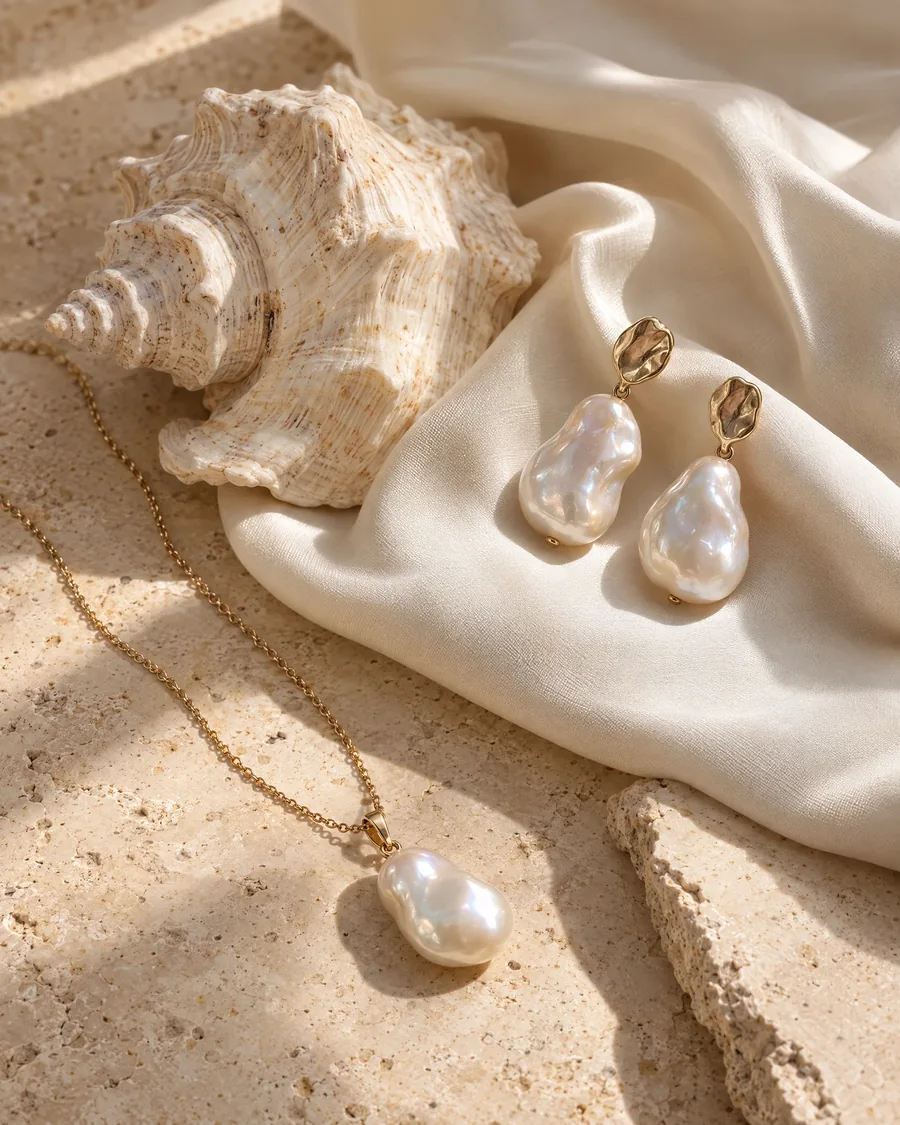
A flexible gifting model is to offer two or three style options within one agreed visual direction. For example, pearl-inspired studs, a small pendant or a simple bracelet could share a pale accent without being identical. Browse pearl styling concepts for visual ideas, but verify whether any item you consider uses natural, cultured or imitation pearls. These descriptions are not interchangeable. Personalized bridesmaid jewelry choices can still share a coherent palette when the underlying materials differ.
Set a spending boundary privately and fairly, particularly if attendants are choosing their own accessories. Offer an existing-piece option and avoid turning a reference image into an implied purchase demand. If you need clarification about the inquiry website, use the katherine jewelry contact page rather than assuming availability or purchase terms. Before committing to bridesmaid jewelry from any seller, confirm specifications, quantities and any relevant timing or return terms directly in writing.
Leave room for the gift to have a life beyond the wedding. Ask what the recipient actually wears: small earrings for work, an occasional pendant, or bracelets instead of necklaces. Bridesmaid jewelry feels more personal when the shared wedding detail sits inside an otherwise familiar style. Add a note explaining why you chose that variation for them. This keeps the gesture warm and individual without requiring a different design theme for every member of the party.
Rehearse the Look and Simplify the Wedding Morning
Once choices are settled, create a simple accessory record: each attendant's name, their selected pieces and who will bring them. A phone note is enough. Photograph each combination during a try-on so there is no need to reconstruct the plan on the wedding morning. Keeping bridesmaid jewelry organized this way is especially helpful when gifts are distributed earlier, dresses travel separately or several people are getting ready in different rooms before the ceremony.
Pack pieces separately in cushioned compartments, with necklaces arranged to limit tangling and earrings kept together. Label the outside of each pouch rather than attaching adhesive labels to the jewelry itself. For bridesmaid jewelry with pearls or other delicate components, do not assume a cleaning method suitable for one piece will suit another. The GIA jewelry care guidance recommends protection from scratching and care appropriate to the materials and complete construction.
Schedule accessories after hair products, cosmetics and fragrance have been applied, rather than letting pieces sit in the path of sprays. Chemicals can harm some metals, pearls and porous gems. If bridesmaid jewelry needs attention, follow material-specific instructions or consult a qualified jeweler when construction is uncertain. Avoid improvising with harsh cleaners or assuming an ultrasonic machine is safe. GIA notes that ultrasonic cleaning can damage some materials and that vibration can loosen settings.
Build a fallback that does not depend on finding a replacement at the last minute. If a pendant is forgotten, earrings alone may preserve the plan; if an earring becomes uncomfortable, a bracelet may carry the repeated accent. Keep one clean, uncomplicated alternative only if its wearer has already approved it. The bridesmaid jewelry brief should be resilient enough to survive a missing piece. Nobody needs to spend the ceremony worrying that a small accessory change has spoiled the photographs.
Before leaving, make one final comfort check rather than another styling debate: closures secure, pieces sitting as intended and nothing snagging the dresses. Then stop adjusting. The most successful bridesmaid jewelry coordinates the people who are actually wearing it, with their different tastes, clothes and comfort needs intact. Two shared cues, a practical try-on and clear communication are enough to create a connected wedding-party look without making individuality something that has to be hidden.