Editorial guidance only. Product characteristics, care needs, and commercial terms should be confirmed in writing for any specific item.
Understanding gold plating starts with looking beyond color. Two pieces can have a similar golden appearance while differing in their underlying metals, surface coatings and care requirements. Before buying, you need enough information to connect the description with how you will actually wear the jewelry.
This gold plating jewelry guide for informed buying decisions turns broad sales language into practical questions about construction, wear, cleaning and purchase terms. It is general material education, not a report on katherine jewelry merchandise. The aim is straightforward: know which details matter, what photographs cannot establish, and when an unanswered question is a reason to pause.
Decode the finish and identify what lies underneath
The first distinction is between a surface layer and the material throughout a piece. With gold plating, gold is applied over another material; that does not make the entire object solid gold. Descriptions such as “gold tone” may describe appearance without establishing that gold is present. Ask the seller to explain the exact finish rather than treating every golden-looking description as equivalent. Color is a visual feature, not a material test.
Start with two questions: “What is the base metal?” and “Which components have gold plating?” An earring’s decorative body, post and back may not share the same construction. A necklace can include a pendant, chain, clasp and connecting rings with different specifications. Request a component-by-component answer where relevant. If the seller says only “metal alloy,” ask whether a more specific composition is available rather than filling the gap with an assumption.
Next, separate the coating’s gold purity from its thickness. A karat description attached to gold plating concerns the gold used in the surface layer, not proof of gold throughout the piece. Ask whether thickness is documented and, if a measurement is supplied, what parts it covers. Purity, thickness and coverage answer different questions. None should be treated as a substitute for knowing the underlying material or the construction of the complete item.
Terms such as “gold filled,” “vermeil” and “solid gold” should not be treated as interchangeable with gold plating. If one appears in a listing, ask for the material and construction details supporting that designation. The FTC’s Jewelry Guides emphasize truthful representation of metal content and other jewelry characteristics. A seller’s written explanation is more useful for comparison than a reassuring adjective such as “premium,” which does not itself identify a material.
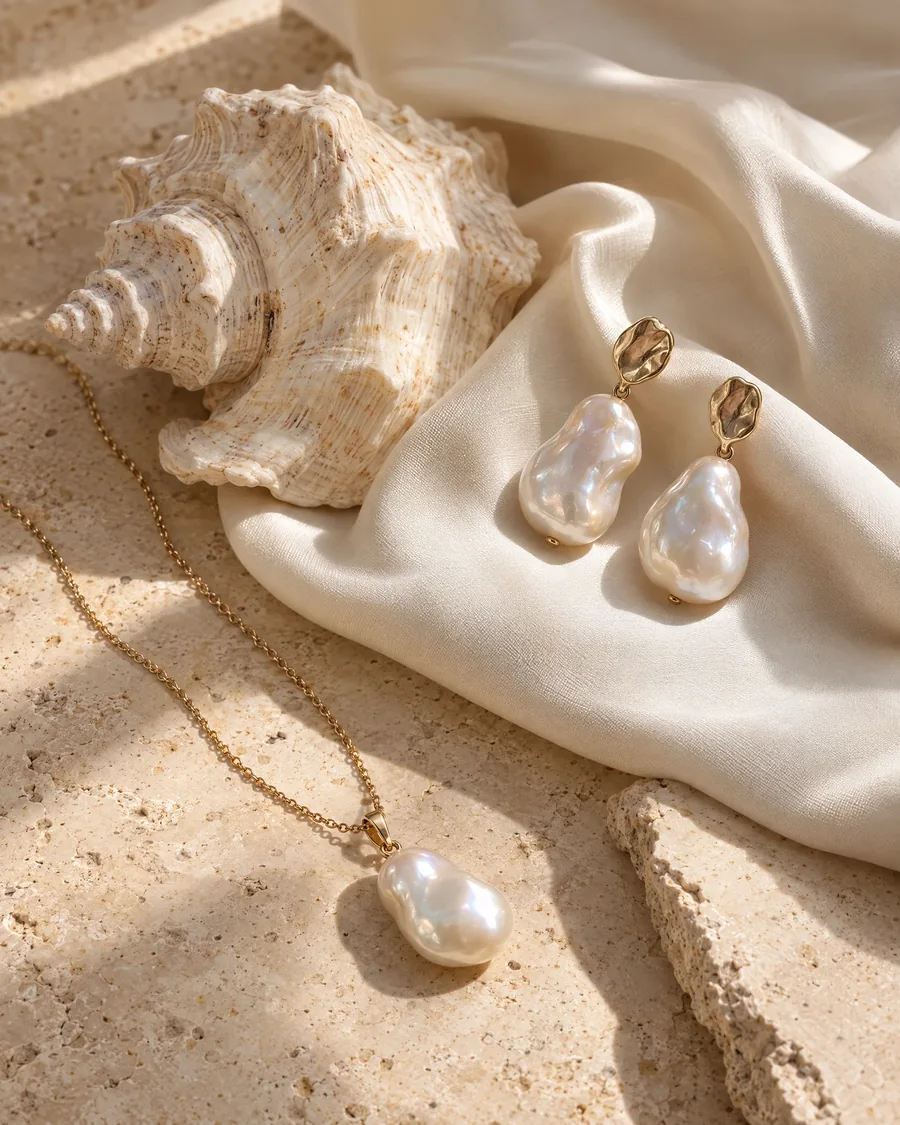
For example, when exploring earring design inspiration, first identify the shape and fastening you prefer, then seek specifications for any actual item under consideration. Images cannot verify silver content, coating thickness or component composition. Keep a short comparison note with separate entries for base metal, finish, coating details and fastening materials. If those entries remain blank, you have identified an information gap—not established that the piece is either good or bad.
Evaluate wear against your routine, not a universal lifespan
There is no single wear period you can infer from the words gold plating. Surface coatings encounter different conditions depending on design, construction and use. A ring may repeatedly touch handles and work surfaces, while a pendant may rub against clothing. Friction, moisture and chemical exposure can affect appearance. Ask how the seller supports its durability description and what wearing conditions it assumes, rather than seeking a lifespan that applies to every wearer.
Consider the difference between an occasional dinner accessory and a piece you intend to leave on continuously. The same gold plating may face very different exposure in those routines. Before comparing options, write down your likely habits: whether you remove jewelry for washing, exercise and chores, whether pieces rub against one another, and where they contact clothing or equipment. This exercise helps turn “Will it last?” into a more useful question about your intended use.
If a seller provides a coating thickness, treat it as one piece of information, not a complete performance score. Construction, coverage and exposure still matter. Likewise, claims that gold plating is “waterproof,” “tarnish resistant” or “long lasting” need an explanation of conditions and limitations. Ask whether the claim covers swimming, showering or only incidental moisture, and whether written care instructions restrict those activities. A broad headline and a narrow care warning should be clarified before purchase.
Pay particular attention to edges, undersides, clasps and areas that contact other objects. Ask what changes the seller says may occur with wear and whether maintenance or refinishing is possible for the specific construction. Do not assume that gold plating can always be renewed safely or economically. Stones, settings and mixed materials may complicate the work. If refinishing matters to your decision, seek an assessment and written quotation rather than relying on a general promise of restoration.
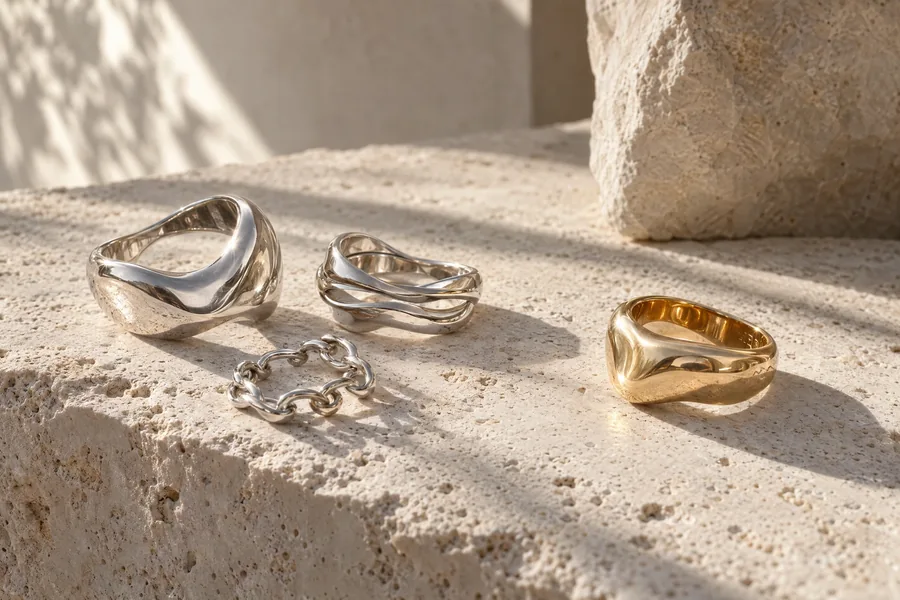
A practical decision rule is to choose around the use you are realistically willing to change. Someone browsing ring design concepts who dislikes removing jewelry frequently should consider that preference before selecting a surface finish. Someone seeking an occasional accessory may be comfortable with more deliberate handling. Neither situation proves a material is superior. The important comparison is between documented expectations and your habits, including your willingness to accept visible changes over time.
Request a care plan for the complete piece
Care instructions for gold plating should address more than the golden surface. The base metal, stones, treatments, adhesives and settings can all affect what is appropriate. Before buying, ask for a cleaning method suited to the whole piece, including how to dry and store it. “Use jewelry cleaner” is too vague if the seller has not identified the materials or specified which product and method are suitable for that construction.
For everyday handling, remove jewelry before swimming and household cleaning. Cosmetics and household chemicals may harm metals, pearls and porous gemstones, as the GIA’s jewelry-care guidance explains. Apply personal-care products before putting jewelry on and avoid unnecessary contact with them afterward. These precautions are useful for gold plating, but they do not guarantee an unchanged finish. The seller’s material-specific instructions should guide you whenever the piece needs additional restrictions.
Do not assume that a polishing cloth intended for an uncoated metal is suitable for gold plating. Abrasive cleaning can affect a surface layer, and repeated forceful rubbing is not a sensible default. Ask whether the recommended cloth is untreated or contains polishing compounds. If instructions are missing, resist experimenting with toothpaste, baking soda or other aggressive household recipes. A qualified jeweler can help assess uncertain construction before you attempt cleaning that cannot easily be reversed.
Ultrasonic cleaning also requires individual assessment. GIA cautions that pearls, organic materials, surface-filled stones and numerous temperature-sensitive gems may be unsuitable, and vibration can loosen settings. A durable-looking stone does not make every part of a piece safe for that treatment. When gold plating is combined with gemstones or delicate components, ask about the entire assembly. Avoid interpreting a cleaner’s general claim of suitability for jewelry as permission to use it on an unidentified piece.
Storage should reduce contact without ignoring other material needs. Keep pieces separately padded, and use cushioned compartments during travel instead of a loose pouch full of jewelry. Sterling silver benefits from anti-tarnish storage, while pearls and opals should not be kept in excessively dry conditions. These differences matter when mixed materials share one design. Save the care instructions with the material description so you can check them later, particularly before changing your storage routine or seeking professional maintenance.
Compare written details and decide what uncertainty you can accept
Once the material and care questions are answered, compare gold plating offers using the same categories. Record the base metal, component differences, finish description, available coating information and intended care. Distinguish “not disclosed” from “not applicable”: missing information is not a specification. A detailed listing is easier to evaluate, but detail alone does not prove workmanship or durability. What matters is whether the answers are specific, consistent and relevant to the item you would receive.
Next, ask about the actual purchase terms. Is there a return policy, and what conditions apply? Is any warranty offered, and does it address coating wear or exclude it? Is a refinishing service available for this item, and what would it involve? These are questions, not benefits to assume. If the appeal of gold plating depends on a seller’s promise to repair or replace it, obtain that promise and its limitations in writing before paying.
Explore our product collection for individual designs, photographs, and product details. When considering gold plating, look at each piece in the context of your own preferences and practical needs. Use the product description to check relevant specifications rather than relying on appearance alone. For a more personal recommendation or a question about a particular piece, contact katherine jewelry with the details that matter to you.
For a concrete comparison, imagine two visually similar bracelets. One description identifies the substrate and components, explains gold plating and supplies care restrictions; the other offers only a golden appearance and an unsupported durability slogan. You cannot conclude which will wear better from that information alone. You can conclude which seller has answered more of your questions. Request the missing details, and consider how a bracelet might rub against your desk, sleeves or neighboring jewelry.
A sound gold plating purchase is a match between verified description, realistic use and acceptable maintenance—not simply an attractive image. Before deciding, check that you can explain what is underneath the coating, how the piece should be cared for, and which written terms apply. If an unanswered question could change your choice, wait for clarification. If the details are clear and the limitations suit your routine, you can proceed with informed expectations rather than relying on the word “gold” alone.